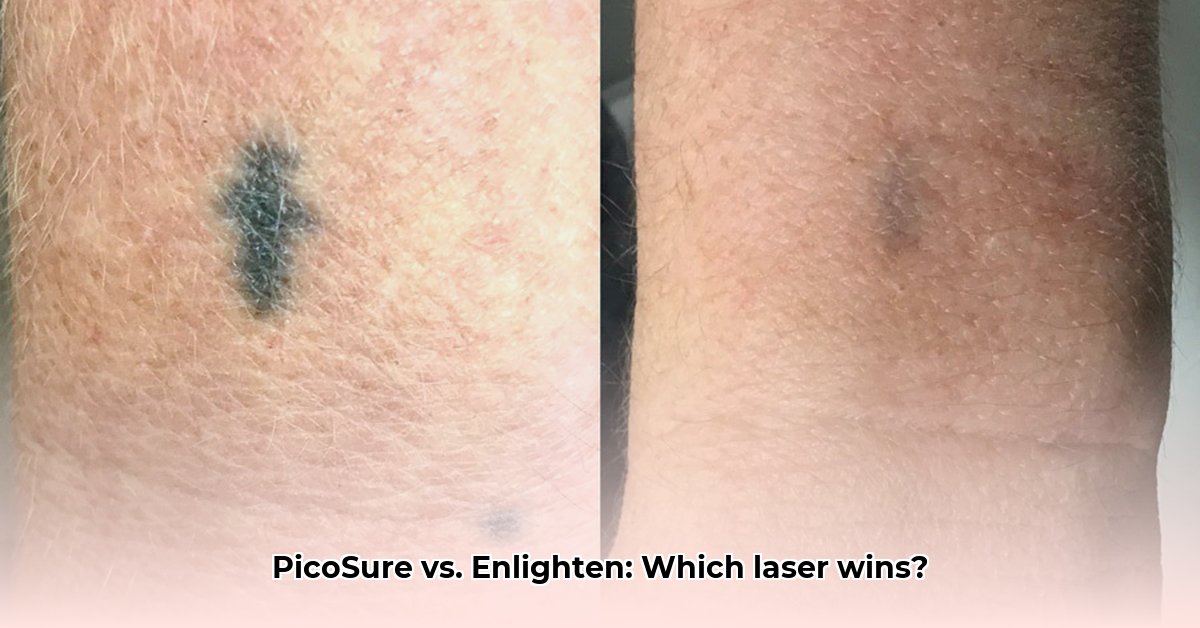
Tired of that unwanted tattoo? Laser tattoo removal offers a safe and effective solution, and Cincinnati boasts several clinics offering cutting-edge technology. But with choices like Cutera Enlighten and Cynosure PicoSure, selecting the right laser can be confusing. This article compares these top systems, helping you make an informed decision based on your needs and preferences.
Understanding the Technologies
Imagine your tattoo ink as stubborn, colorful LEGO bricks cemented together. Laser tattoo removal uses light energy to break these “bricks” into tiny fragments your body can naturally absorb and eliminate. Both Enlighten and PicoSure achieve this, but through different approaches.
The Cutera Enlighten system is like a powerful, multicolored flashlight. It emits different wavelengths (colors) of light, targeting various ink colors simultaneously. This versatility makes it effective for a wide range of tattoo pigments.
The Cynosure PicoSure system is more like a precise laser scalpel. It delivers incredibly short bursts of light (picoseconds—one trillionth of a second!), intensely targeting the ink. This focused approach often leads to fewer treatment sessions and less discomfort.
How Do They Compare? A Side-by-Side Analysis
Both Enlighten and PicoSure are effective, yet distinct. Think of them as different tools for the same job – a hammer (Enlighten) versus a precision screwdriver (PicoSure). Here's a summarized comparison:
| Feature | Cutera Enlighten | Cynosure PicoSure |
|---|---|---|
| Technology | Multiple wavelength Q-switched laser | Picosecond laser with PressureWave technology |
| Ink Colors | Effective on most, some may need more sessions | Generally effective across numerous ink colors |
| Pain Levels | Generally moderate | Often reported as less painful |
| Number of Sessions | Often requires more treatments | May require fewer sessions, individual results vary |
| Cost Per Session | Generally lower | Usually higher |
| Treatment Time | Sessions tend to be longer | Sessions are typically shorter |
Choosing the Right Technology: Your Personal Factors
The ideal technology depends on several personal factors. Consider these key aspects:
- Your Tattoo: Darker inks often respond better initially. Older, faded tattoos may require more treatments. Larger tattoos naturally take longer.
- Your Skin Tone: While lighter skin often responds best, this isn't a fixed rule. A consultation clarifies suitability.
- Your Budget: PicoSure might have higher per-session costs but potentially fewer overall sessions, potentially saving money long-term. Enlighten often has lower per-session costs but might require more sessions.
- Your Pain Tolerance: Many find PicoSure less uncomfortable due to shorter pulse durations.
Crucial Note: A thorough consultation is essential. A skilled technician will assess your tattoo, skin, and preferences to recommend the most effective and safe approach.
Finding a Reputable Cincinnati Clinic: Your Guide to Success
Selecting the right clinic is as crucial as selecting the technology. Look for:
- Experienced Professionals: Seek a clinic with board-certified technicians possessing extensive experience with both Enlighten and PicoSure. Inquire about their training and experience levels.
- Technological Options: A reputable clinic offers both Enlighten and PicoSure, providing treatment flexibility based on individual needs.
- Positive Reviews: Read online reviews and testimonials. Look for consistent positive feedback regarding experiences and outcomes.
- Transparency: A good clinic openly discusses costs, potential risks, expected results, and the entire treatment process.
Key Takeaways
Remember: Laser tattoo removal is a process, not a quick fix. Multiple sessions are usually necessary. Manage your expectations, commit to the treatment plan, and maintain close communication with your technician for optimal results. A consultation with a qualified professional is the first, crucial step toward achieving your clear-skin goals.
Disclaimer:
This article provides general information and does not constitute medical advice. Always consult a qualified healthcare professional for personalized guidance and treatment.